 US
US
Sheep farming has its unique set of challenges, and for those managing flocks in compact spaces, the design and functionality of sheep yards become crucial. Whether you’re a small-scale farmer or dealing with limited acreage, the efficient use of space is essential for the well-being of both the flock and the farmer. In this blog post, we’ll explore practical tips and considerations for successfully navigating small sheep yards.


Optimal Layout and Design
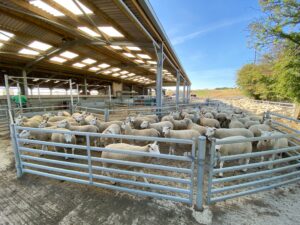
Small spaces require thoughtful planning to make the most of the available area. Consider the layout of your sheep yards to allow for smooth movement of the flock and easy access for shepherds. Utilize curved paths and avoid sharp corners to encourage the natural flow of sheep without causing stress.
Modular and Portable Infrastructure:
In compact spaces, flexibility is key. Opt for modular and portable infrastructure that can be easily adjusted based on the evolving needs of your flock. Portable panels and gates provide the ability to create temporary holding areas or segregate sections for different purposes, enhancing the overall functionality of the yards.
Minimize Clutter:
Keep the sheep yards clutter-free to prevent congestion and allow for efficient movement. Remove unnecessary obstacles, equipment, and debris that might impede the flow of the flock. A well-organized and tidy space not only enhances functionality but also reduces stress on the sheep.
Utilize Vertical Space:
In small sheep yards, make use of vertical space to maximize available room. Implementing elevated feeding areas or utilizing wall-mounted equipment can free up ground space, providing more room for the sheep to move comfortably. Choose handling equipment specifically designed for compact spaces. Compact sheep races, adjustable loading ramps, and mobile sheep handling systems are available to optimize space while ensuring efficient and stress-free movement of the flock.
Implement Rotational Grazing:
If space is limited, consider implementing rotational grazing practices. This allows you to divide the available area into smaller sections, rotating the flock to fresh pasture regularly. This not only optimizes grazing but also minimizes the impact of compact spaces on the overall well-being of the sheep.Prioritize Safety Measures:
Safety is paramount in small sheep yards. Ensure that all equipment is in good condition, with no sharp edges or potential hazards. Regularly inspect the yards for wear and tear, and make necessary repairs promptly to prevent accidents and injuries to both sheep and handlers.